

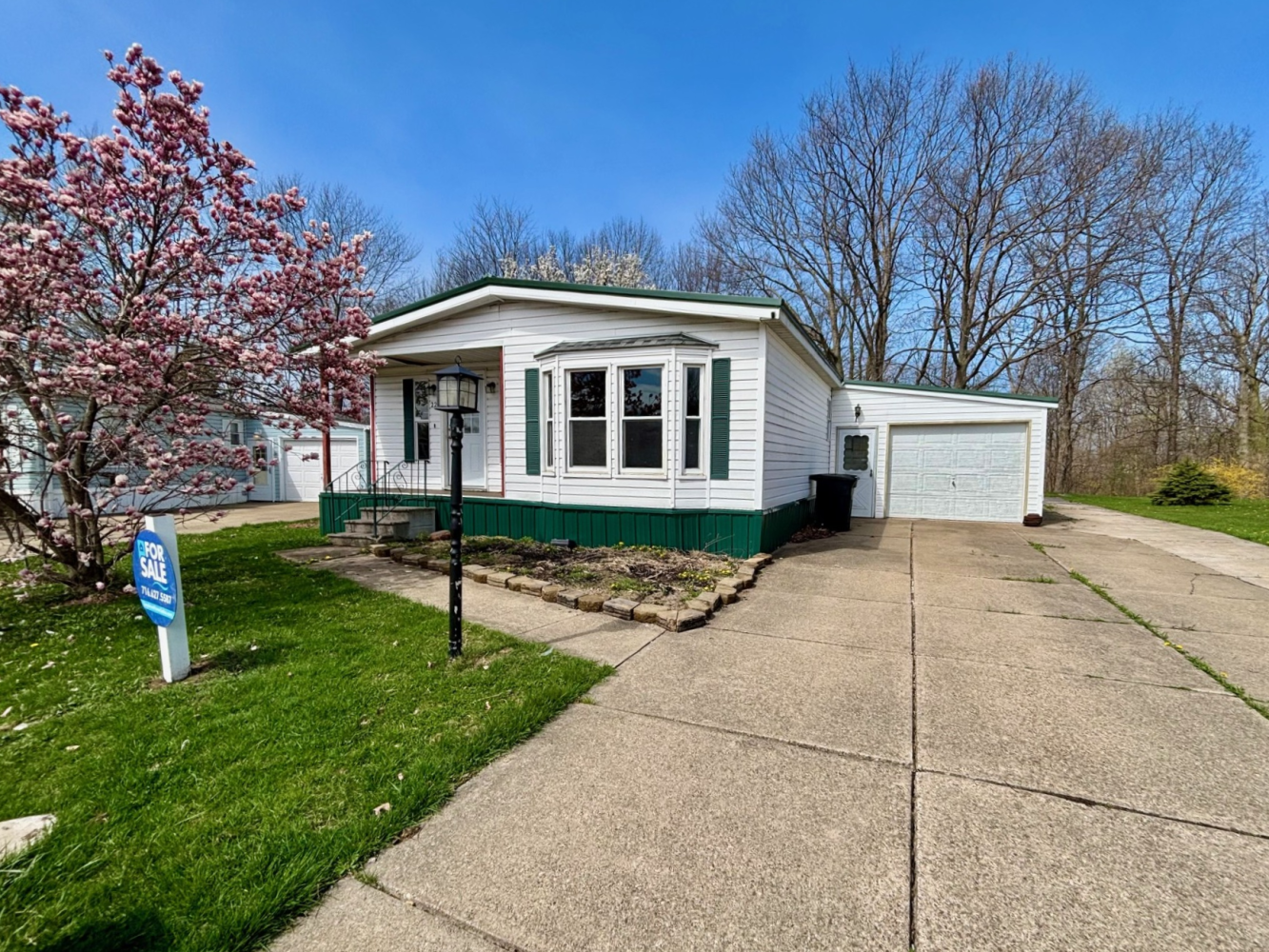
TL;DR: Buying a manufactured home is one of the most straightforward paths to homeownership available today. These factory-built homes are built to federal HUD standards, come in a wide range of floor plans, and can be found in welcoming manufactured home communities where your lot is ready to go.
Like so many people today, you may be wondering if you’ll ever be able to own a home. It’s definitely not as easy today as it used to be, even just 25 years ago.
But that’s only if you haven’t looked closely at manufactured homes. Knowing how to buy a manufactured home opens up a real path to owning a quality home at a price point that you may not have thought was possible. And the process is a lot more approachable than you might think.
Whether you’re a first-time home buyer or just exploring your options, this guide walks you through everything: what manufactured homes are, how they compare to other home types, what to look for when choosing a community, and how the buying process works from start to finish.
Key Points About Buying a Manufactured Home
- Manufactured homes are factory-built to federal HUD standards, which cover construction quality, energy efficiency, and durability.
- They’re distinct from modular homes and site-built homes, and come in a range of sizes and floor plans, just like any other home type.
- Buying in a manufactured home community means your lot is ready, your utilities are connected, and your neighbors are already there.
- Financing options exist specifically for manufactured homes, and many communities can connect you with lenders.
- The buying process covers a handful of straightforward steps: setting a budget, exploring homes, choosing a community, and getting settled.
What Is a Manufactured Home, Exactly?
A manufactured home is a home built entirely in a factory and then transported to its final location. Every manufactured home built in the United States after 1976 must meet the federal construction standards set by the Department of Housing and Urban Development, commonly known as the HUD Code. Those standards cover structural integrity, energy efficiency, and construction quality across the board.
In 2024, HUD announced the most extensive updates to the HUD Code in over three decades, adding 90 new or revised standards designed to increase innovation and modernize construction methods. That means today’s manufactured homes have come a long way from the mobile homes of the pre-1970s.
How Manufactured Homes Differ from Modular and Site-Built Homes
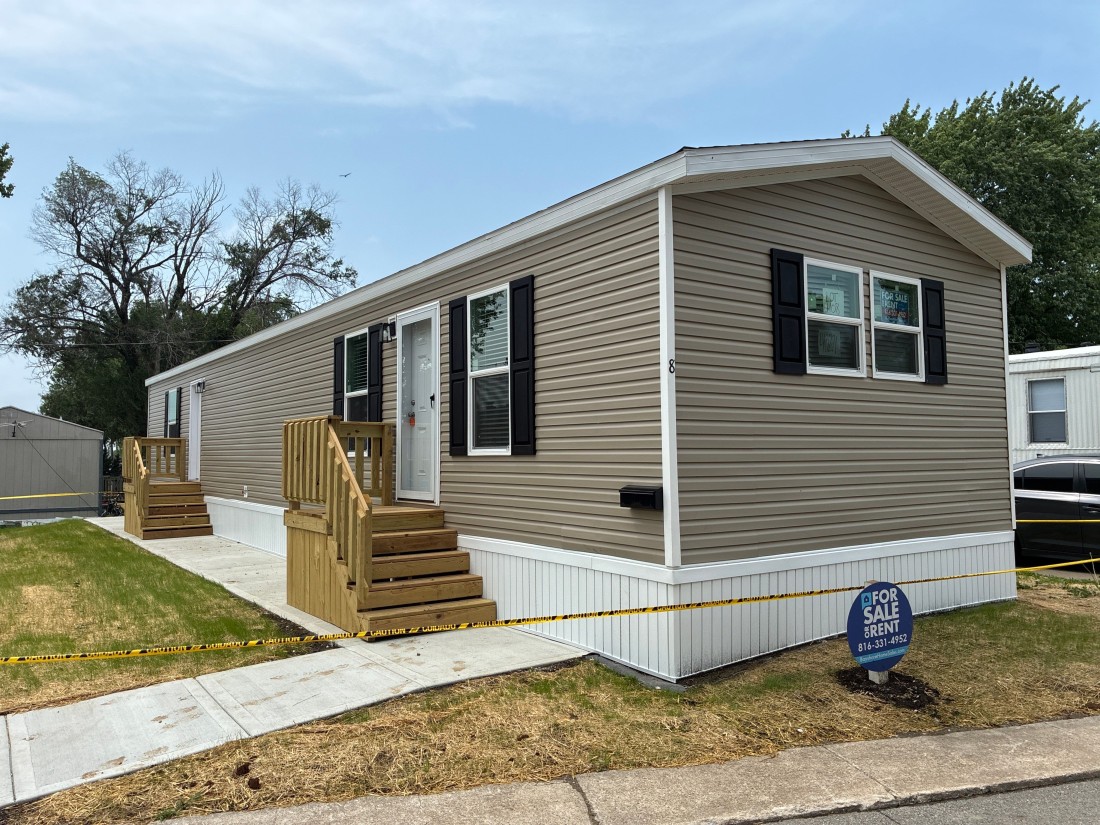
All three home types have their own construction process and regulations to follow.
Site-built homes are constructed, you guessed it, on the site where they will stand, from the ground up. They only have to adhere to state and local codes.
Modular homes are also factory-built, but they’re constructed in sections and assembled on permanent foundations at the site, following state and local building codes just like a site-built home.
Manufactured homes are made in a factory (hence the name!) with exacting, efficient federal home building standards that take much less time to produce. Manufactured home sellers are then able to pass the savings in labor and time along to you, the buyer, in the form of a lower price tag. These are not inferior homes; they’re just more efficient to build.
Should I Buy a Manufactured Home? What Makes Manufactured Homes a Strong Choice
Manufactured homes are a genuinely strong option for many families, young people, and retirees alike looking for a place to call home.
Affordability
The affordability is just about unbeatable. The national average cost of a new manufactured home in December 2025 was $134,500, according to the Federal Reserve Bank of St. Louis. Compare that to a median sale price of $414,400 for traditional homes in the same month. Buyers trying to get into homeownership without overextending themselves should take note.
Quality
Quality has improved dramatically, too. Modern manufactured homes are built using controlled factory construction methods that allow for tight quality oversight at every stage. Many newer homes include open floor plans, updated kitchens, energy-efficient features, and the kinds of finishes you’d expect in a more expensive site-built home.
Community
Then there’s community. When you buy in a manufactured home community, you get a neighborhood that’s designed around you: neighbors, events, amenities, and on-site maintenance, all built in.
Why Buy in a Manufactured Home Community?

When you’re figuring out how to buy a manufactured home, one of the biggest decisions is where that home will sit. You can place a manufactured home on private land you own, or you can buy one in a manufactured home community. Both paths work, but community living offers some incredible benefits to keep in mind while you decide.
A manufactured home community will already be set up for you to live in much more easily than private land. You won’t have to worry about things like whether or not the land is suitable for a manufactured home, zoning laws, or whether or not you’ll have to run electricity or gas to your home.
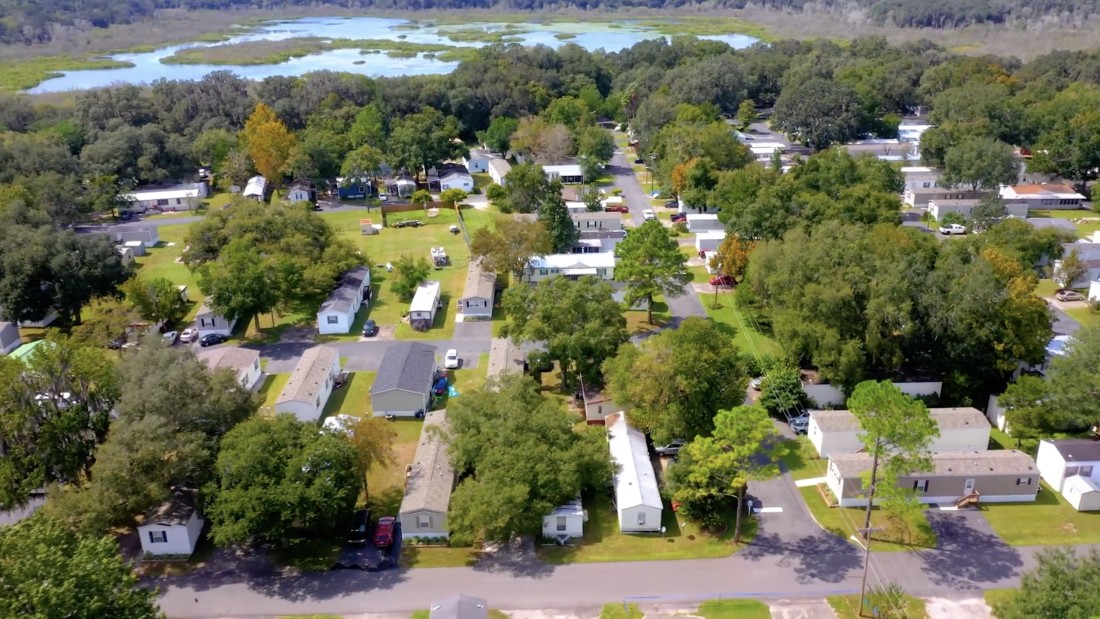
But beyond the logistics, the neighborhood camaraderie, social events, and built-in relationships are what truly make community living stand apart. At Bayshore, our manufactured home communities are spread across the country, and each one is built around the idea that your neighborhood should feel like home from the moment you move in.
Our teams are on-site, our communities are close-knit, and we work to make sure every resident feels connected.
How to Buy a Manufactured Home: The Steps
Ready to get into the process? Here's how buying a manufactured home usually works.
Step 1: Set Your Budget
This is an important first step for any new homeowner: deciding how much house you can afford. If you haven’t already, build out a monthly budget of all of your household expenses, including bills and items like daycare, groceries, and gas. Make sure you leave some extra money in your budget for unexpected expenses and some savings for a rainy day.
Now, subtract that from your monthly income. This gives you a clear ceiling before you start shopping, so you're looking at homes that actually fit your life rather than ones that stretch you too thin.
Step 2: Explore Your Financing Options
Manufactured home financing works differently from a traditional mortgage. There are different types of loan options specifically designed for financing manufactured homes, and many communities have existing relationships with lenders who know this market well. Just ask a community manager!
Step 3: Choose a Community or Location
Decide whether you want to place your home on private land or move into a manufactured home community. For most buyers, a community offers the simpler and more enjoyable path: the lot is ready, the infrastructure is in place, and the people are welcoming.
If you’re leaning toward private land, you’ll need to factor in zoning research, land preparation, and utility setup.
Step 4: Tour Homes and Communities
Get on the ground. Tour multiple homes and, if you’re buying in a community, tour the community itself. Ask questions during a tour: What’s included? What’s the management like? What do residents say about living here?
Step 5: Submit an Offer or Application for Residency
Once you’ve found the right home and community, your manufactured home seller and lender will walk you through the application and purchase process. At Bayshore, you can even submit a residency application online when you find a home you love! Then, you’ll review any community agreements, confirm what’s included in the home, and lock in your move-in timeline.
Your Manufactured Home-Buying Questions Answered
Is buying a manufactured home a good long-term investment?
Manufactured homes can be a sound long-term housing decision, especially when you factor in the significantly lower purchase price compared to site-built homes. If you prioritize affordability and stable monthly costs, that gap makes manufactured homeownership a smart long-term move.
But it’s not just about the monthly payment. It’s in the real connections you make with your neighbors, too. Just ask Bayshore homeowners why they think buying a manufactured home is worth it!
What should I look for when touring a manufactured home community?
Beyond the homes themselves, pay close attention to how the community is managed. Look at the common areas, ask about what events and amenities are available, and get a feel for who your neighbors would be. Strong communities have responsive onsite staff, active social programming, and residents who seem genuinely happy to be there.
What floor plans and features can you expect in a manufactured home?
One of the biggest surprises for first-time buyers is just how much variety is out there. Manufactured homes are available in single-section (single-wide) and multi-section (double-wide or triple-wide) configurations, ranging from compact, efficient 1-bedroom floor plans to spacious layouts with 3+ bedrooms.
Today’s modern floor plans often include open-concept living areas, large primary suites, full kitchens, and thoughtful storage. Many newer homes also come equipped with energy-efficient appliances and features that keep day-to-day costs manageable.
Finding the Right Home Starts Here
Manufactured homeownership is real homeownership, and for a growing number of buyers, it's the clearest path to getting there. The homes are well-built, the communities are welcoming, and the process is more manageable than most people expect.
If you're ready to take the next step, we'd love to show you what life looks like at a Bayshore community. Browse our homes for sale or find a community near you to get started today!
 RHP Social community events are designed to encourage our residents to socialize with their fellow community members through fun, family-friendly BBQs, holiday parties, and more! If you’ve found a community that suits your needs, contact our team today and let’s get started on the application process.