

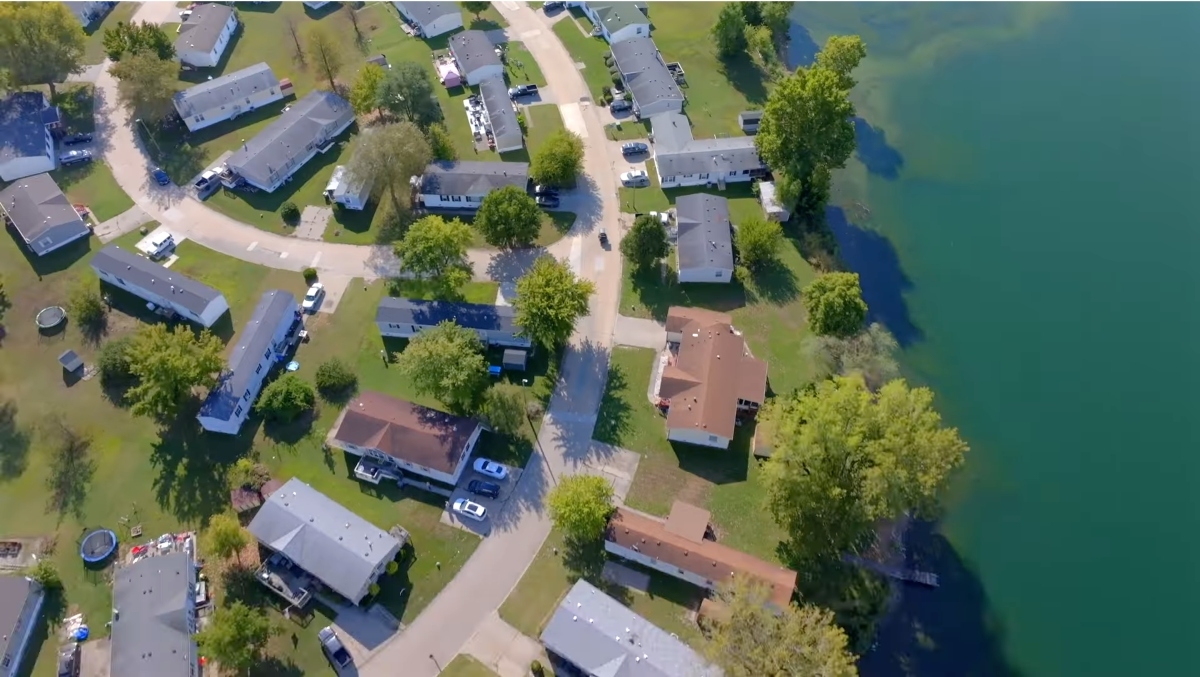
If you've been curious about manufactured home communities but aren't sure where to start, you're in good company. Most people come in with a handful of the same questions, and the answers are a lot more straightforward than you might expect. Here's an easy rundown of what people want to know most.
Key Takeaways
- Manufactured home communities are neighborhoods where residents own their homes and share central amenities, events, and green spaces.
- “Manufactured home” and “mobile home” refer to the same type of housing; the name change happened in 1976 when federal building standards were introduced.
- These communities welcome all kinds of residents, from first-time buyers and young families to retirees.
- Both all-age and 55+ communities are out there, with different amenity offerings and community feel.
- Touring is easy and low-pressure, similar to apartment shopping.
What Exactly Is a Manufactured Home Community?
A manufactured home community is a neighborhood where residents own their homes and share central amenities, green spaces, and community programming.
Think of it as a middle ground between apartment living and owning a house in a traditional subdivision. You get your own space that's all yours, plus shared amenities maintained by the community, like:
- Swimming pools
- Clubhouses
- Playgrounds
- Courts and fields for sports
- Gazebos, green spaces, or picnic areas
At Bayshore communities, that also means regular events, on-site staff, and neighbors who actually know each other.
What's the Difference Between a Manufactured Home and a Mobile Home?
The short answer is they're essentially the same thing, just from different eras. The term "mobile home" refers to homes built before 1976, when Congress passed the National Manufactured Housing Construction and Safety Standards Act, and HUD established a uniform national building code for the industry.
Today’s manufactured homes follow those federal building guidelines, which cover construction, durability, and energy performance. In everyday conversation, though, many people still use the older term out of habit.
Are Manufactured Homes Built to a High Standard?
Yes, and a federal one at that. The HUD code establishes requirements for design and construction, strength and durability, fire resistance, energy efficiency, transportability, and quality control. Every manufactured home sold in the United States has to meet these standards before it leaves the factory.
More than 22 million people live in manufactured homes across the country. They’re permanent, comfortable homes built to strict and consistent standards.
What Appliances Typically Come with a Manufactured Home?
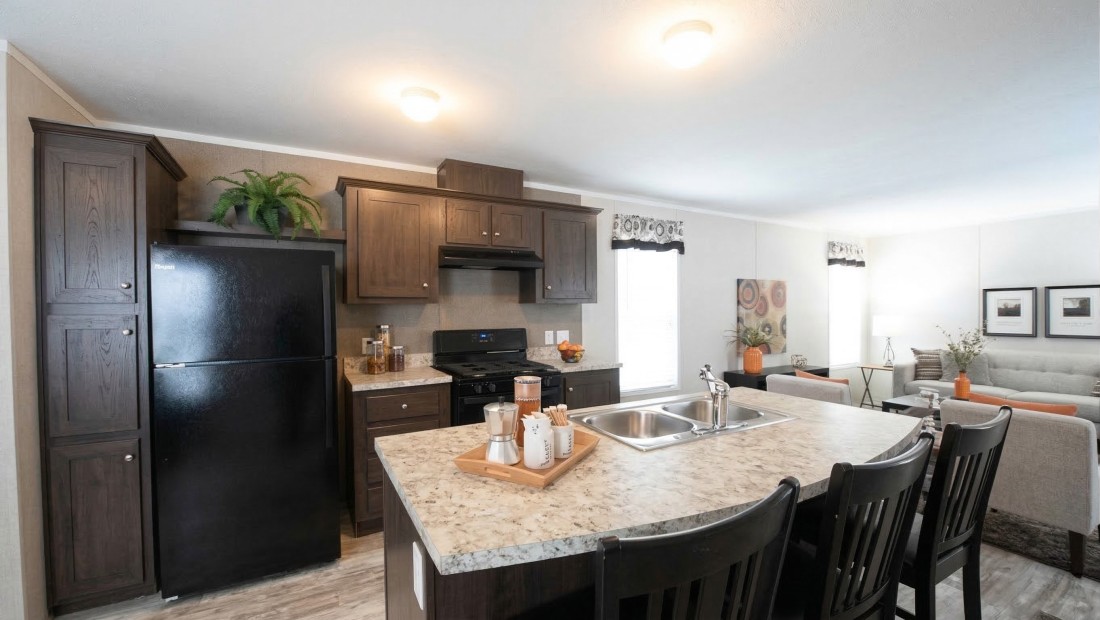
It varies by home, age, and community, but many manufactured homes come with basic kitchen appliances already installed. These can include:
- A refrigerator
- A stove or range
- An oven
- Kitchen cabinets and storage space
When you tour a home at a Bayshore community, the on-site team can walk you through exactly what's included. Each home is a little different, so it’s helpful to ask up front.
Can You Have a Washer and Dryer in a Manufactured Home?
Yes. Most manufactured homes include a designated space for a washer and dryer, wired and vented appropriately. The hookups are typically in a dedicated laundry area or utility closet. For anyone moving from an apartment without in-unit laundry, having your own washer and dryer is one of the upgrades people tend to appreciate most.
Are Manufactured Homes Energy Efficient?
Modern ones, yes! In fact, RHP Signature Homes are even built using resource-efficient materials, effective construction waste management, and recycling whenever possible, with a goal of lower energy consumption and reduced environmental impact.
Every Signature Home comes standard with energy-efficient HVAC systems, with no up-charge or special technology required to enjoy lower energy costs year after year. For anyone watching their monthly bills, that’s a practical benefit from day one.
Do Manufactured Homes Have Basements?
Generally, no. Instead, they’re typically installed on a foundation system designed specifically for manufactured housing. This setup allows the home to be properly supported while keeping utilities accessible beneath it.
Even without a basement, homes include closets, cabinets, and storage areas that help make everyday living comfortable and organized.
Can You Renovate a Manufactured Home?
On the inside, residents who own their homes have a lot of flexibility. Fresh paint, new flooring, updated fixtures, wallpaper, and interior decor are all fair game. Budget-friendly remodeling, from a fresh coat of paint to peel-and-stick wallpaper, can meaningfully transform the look and feel of a manufactured home.
For anything on the exterior, it depends on the community. Each Bayshore community has its own guidelines for things like sheds, additions, and landscaping changes (just like any neighborhood homeowner’s association). The community office is the place to check before starting any outdoor project.
Who Typically Lives in Manufactured Home Communities?
All kinds of people! Bayshore communities are home to first-time buyers, growing families, retirees, and everyone in between. The communities span a wide geographic range, and the residents reflect that diversity.
Many families are drawn in by the combination of affordable homeownership and built-in community life. Retirees often appreciate the lower-maintenance lifestyle and active social calendars. For people looking for their first home without the cost of traditional real estate, manufactured home communities offer a realistic path to ownership that doesn't require compromising on space or amenities.
What’s the Difference Between an All-Age Community and a 55+ Community?
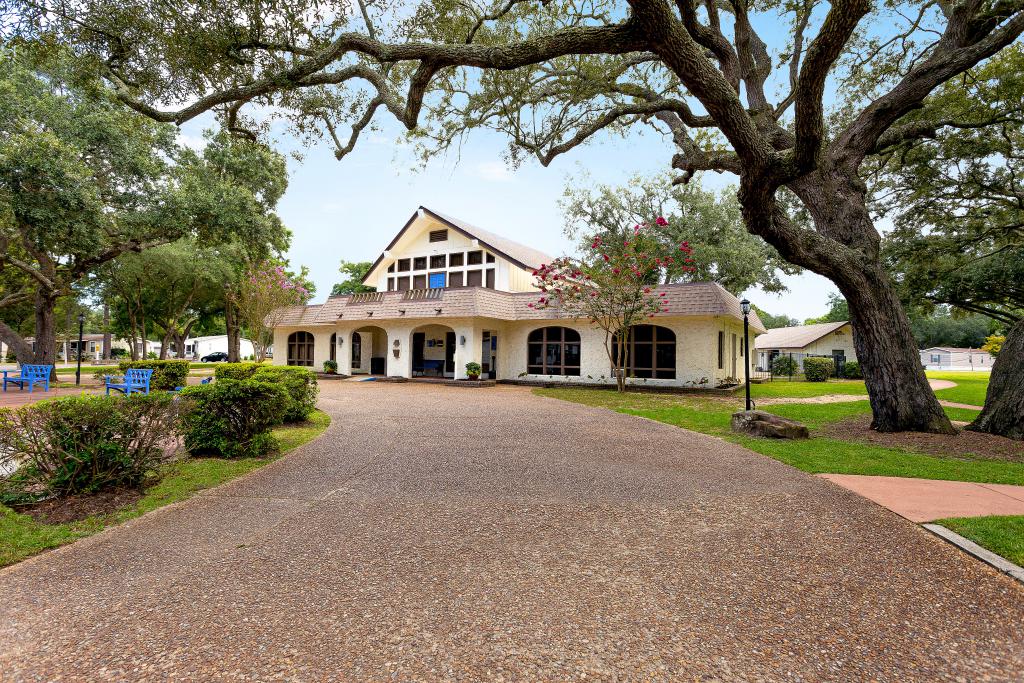
All-age communities welcome residents of any age and tend to offer more family-oriented programming: playgrounds, kids' events, sports courts, and activities designed for mixed households. Bayshore's all-age communities regularly host events geared toward families and children throughout the year.
A 55+ community requires that at least one resident per household be 55 or older, according to federal housing guidelines. These communities often have a quieter feel, with amenities like heated pools, dog parks, and clubhouses designed with adult residents in mind.
What’s It Like to Tour a Community?
Visiting a Bayshore community is a welcoming experience: you come in, meet the on-site team, walk through available homes, and get a feel for the neighborhood. There's no high-pressure sales environment here.
The community office is staffed and available to answer questions, show you around, and help you figure out whether a particular community is the right fit. You can browse available homes for sale or rent online, then reach out to schedule a visit or take a virtual tour!
Explore Manufactured Homes at Bayshore Communities
If you’re curious about manufactured homes and community living, the best way to learn more is to see it for yourself. Bayshore Communities offers manufactured homes for sale and rent in welcoming neighborhoods across the country. Each community has its own character, amenities, and friendly atmosphere.
Call (888) 855-1818 to learn more or schedule a tour, and explore the manufactured homes available in a Bayshore community near you.
 RHP Social community events are designed to encourage our residents to socialize with their fellow community members through fun, family-friendly BBQs, holiday parties, and more! If you’ve found a community that suits your needs, contact our team today and let’s get started on the application process.