


The first genuinely cold night always seems to arrive in the middle of the week, with no warning, right when you were still thinking it was early fall. Then suddenly you’re digging through a closet at 9 p.m., looking for the good blanket and wondering why your furnace isn’t working as well as it should.
But a little prep now can save you this kind of scramble later. Most of what’s on a practical fall maintenance checklist for manufactured homes takes fifteen minutes or less, and none of it requires tools you don’t already own. These tips can also save you money on big heating bills over the winter!
Whether you rent or own your manufactured home, you can do a good portion of this yourself. And when in doubt, a quick note to your community office is all it takes to get pointed in the right direction.
Start With the Windows and Doors
Cooler air finds its way in around the edges of a room, so windows and doors are the first place to look.
Window Coverings & Removing AC Units
Swap lightweight summer curtains for something heavier. Thermal or blackout panels do the most work (even in the summer, when it comes to blocking out light during the hottest time of day), but even a lined curtain makes an evening feel warmer. Closing them at sundown keeps the room comfortable longer; open them again on sunny afternoons and let the light do its thing.
If you have window AC units, choose a day to remove them to achieve the best seal on your windows throughout the winter. If you can’t easily remove them, be sure to cover and seal them tightly to prevent heat loss.
Stop the Draft
A draft stopper at the base of an exterior door is a cheap upgrade that more than pays for itself. The fabric tube style works fine and takes zero installation. In a pinch, you can even use a rolled towel as a temporary measure.
Besides exterior doors, you can use a draft stopper for interior bedroom doors, too, for nice and cozy evenings and mornings.
Give Your Heat a Head Start
Nobody wants to discover a heating problem on the coldest night of the year, which is exactly when most people do. Thinking ahead helps you avoid expensive emergency HVAC repairs or freezing while you wait for a spot on a heating company's packed schedule.
Start with the Filters
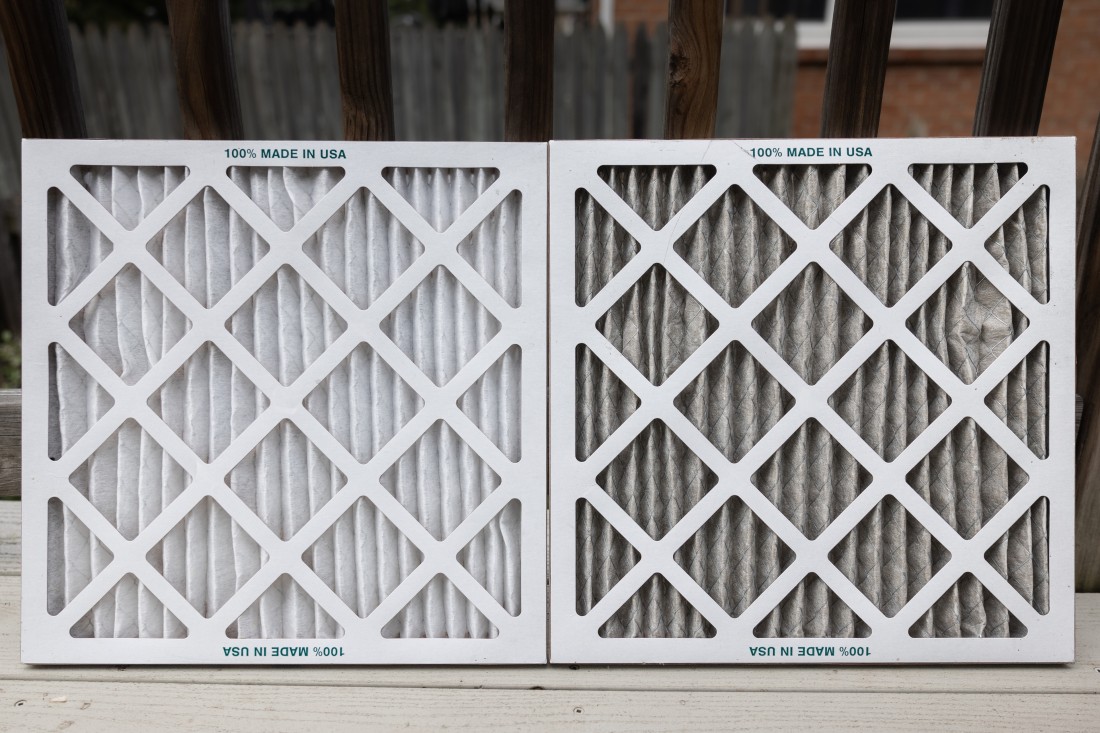
If your home has a forced-air furnace or heat pump, the filter is usually in a slot near the unit or behind a return air grille. It’s best to replace these every 3 months (depending on the type of filter), but if you don’t remember when you changed it last, no judgment. Just pull it out and check the color, and if it’s dark grey instead of white, it’s time. Take a picture of the old one for comparison so you can make sure you buy the right replacement size.
Renters, ask your community office who handles filter changes for your home. In some rental homes, it’s part of the maintenance schedule, while in others, it’s the renter’s responsibility.
If you have the budget for it, a fall maintenance tune-up from an HVAC professional really can help keep your system running efficiently, saving money on your overall heating bill throughout the winter months. But regular DIY maintenance goes a long way, too!
Run the System Before You Need It
Pick a mild afternoon, switch the thermostat to heat, and let it run ten or fifteen minutes. You may notice a faint dusty smell as the season’s first heat burns off what settled over the summer. That’s normal, and it should fade. But if it doesn’t, or the system doesn’t come on the way you expect, call your heating company or local office to get it checked up while the weather is still forgiving.
Check Your Vents
Last, walk through each room and look at your vents. Between back-to-school clutter, new routines, and leftover summer decor swaps, it’s easy to accidentally close or cover up a floor register. Make sure you’ve cleared any furniture, rugs, or other items off of those supply vents to give them a few inches of breathing room.
Reverse Your Ceiling Fans
We talked about this in our summer cooling tips guide, but in case you missed it, here’s a little home hack that sounds counterintuitive at first but makes a big impact. If your home has ceiling fans, look for a small switch on the motor housing, just above the blades. Flipping it will reverse the direction that the blades spin.
Now, why would you even turn on a fan in the winter, you might ask? The U.S. Department of Energy recommends running ceiling fans counterclockwise at the lowest speed in the winter because it pulls air up, in turn pushing the warmed air that collects near the ceiling back down along the walls. That redistribution of heat means you can set your thermostat lower and keep your heating costs down.
Outdoor Winterizing Prep for Manufactured Homes
A few hours outdoors now, while it’s nice and mild, saves you from having to slog through freezing temps or rain later this season. Here’s a quick outdoor winter prep checklist for manufactured homeowners:
- Stack or cover outdoor furniture or move cushions somewhere dry. Cushions left out through a wet season are usually pretty hard to salvage come spring.
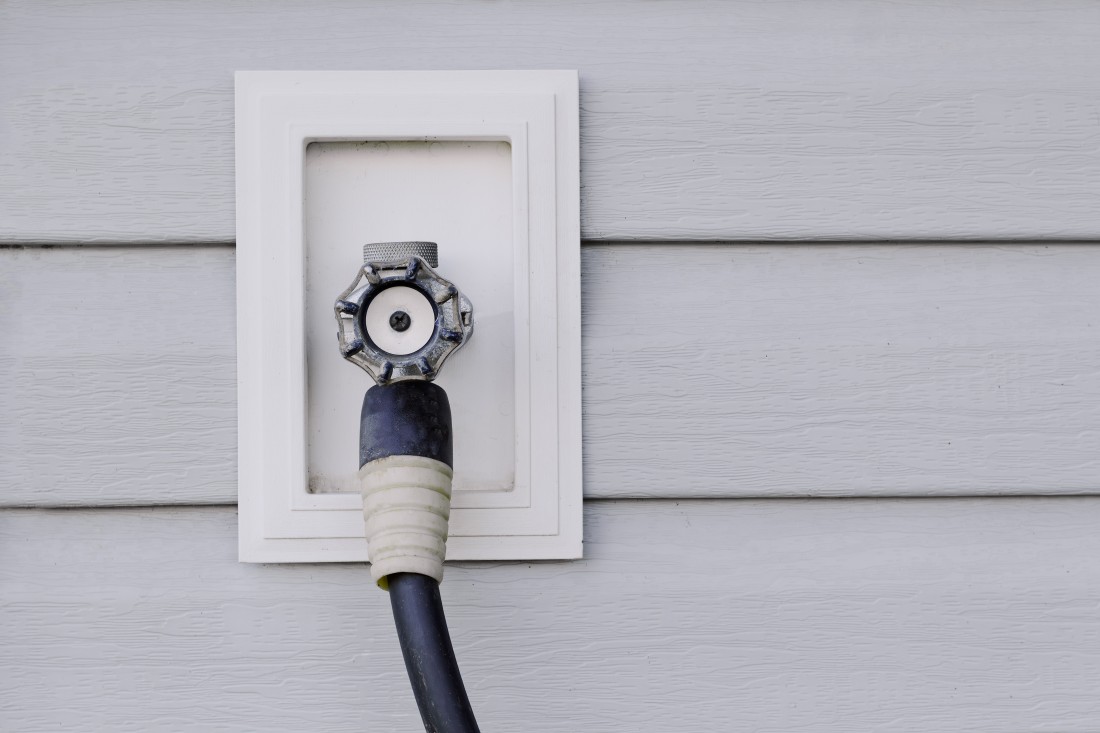
- If your home has an exterior hose bib, drain and coil your hoses, then store them out of the weather. Consider an outdoor faucet cover to protect the spigot from freezing temperatures; they’re about $5 at the hardware store.
- If your home has skirting, check for any gaps or signs of damage and arrange to have them repaired as soon as possible. It’s harder to keep pipes warm when they’re exposed to cold drafts and snow drifts.
- If you’re a gardener, empty the summer annuals out of your planters and either replant with something seasonal or stack the pots. Our fall gardening guide has ideas if you’d like to keep something growing.
Every community sets its own guidelines for outdoor storage and seasonal decor, so check with your local office before you set anything up long-term.
Make the Entryway Work for Wet Weather
Crud is the opposite of cozy, but fall leaves and winter mud have a way of tracking in. A little setup by the door helps keep the rest of your home cleaner and makes coming home easier. Add a boot tray just inside the door, an absorbent mat outside, and a washable rug inside, and most of the mess will be stopped in its tracks in the first three feet.
Then, to make things even easier, give coats and bags somewhere to land. Adhesive hooks rated for a few pounds or freestanding coat racks are both renter-friendly and easy to remove when warmer weather returns. Even a simple basket by the door to catch hats and gloves keeps things organized (and keeps them from getting lost!)
Small Comfort Swaps That Make the Season (and the Savings) Better

These are optional, but they’re where the fun comes in.
Change out your bedding first. Flannel sheets or a heavier duvet set the festive scene and keep you toasty at the same time.
Then, think about your lighting. Overhead lighting gets harsh once the sun starts setting at five, but two or three lamps with warm bulbs? Now that’s cozy! Especially if they’re energy-efficient LEDs. Trust us, your holiday budget will thank you.
Rugs do double duty: they can change the aesthetic of a room and help keep the floor insulated. The same goes for candles and scent warmers, if you’re into that kind of thing (just be careful about open flames, especially if you’re a renter).
Get Ready for Fall Festivities & Winter Wonder in Your Manufactured Home
Once you’ve got the practical stuff taken care of, the fun can really begin. With plenty of social events on the calendar, holiday decor to put up, and seasonal traditions to plan, you’ll have plenty to keep you busy and feeling festive in a Bayshore community.
Ask your community manager about signing up for our newsletter to stay in the know about upcoming events in your neighborhood. And if you’re looking for a place to call home this season, take a look at available homes in Bayshore communities across the country.
 RHP Social community events are designed to encourage our residents to socialize with their fellow community members through fun, family-friendly BBQs, holiday parties, and more! If you’ve found a community that suits your needs, contact our team today and let’s get started on the application process.