


Some of us are summer people who just can’t wait for short sleeves and sunny afternoons. But even the biggest warm-weather fans can find themselves fighting sky-high utility bills when they’re trying to keep their families cool and comfortable. The good news is you don’t have to spend big to solve a stuffy room problem.
New manufactured homes are known for being energy efficient, but even just a few small changes to your airflow, your decor choices, and your daily routine can make a big difference to your budget in the dog days of summer.
(Don’t) Let the Sunshine In: Curtains & Blinds
Windows let in heat fast, and once a room warms up, it holds onto that heat for hours. Managed well, window coverings can cut heat gain by as much as 77%, helping your AC systems take a breather. Medium-colored draperies with a white backing block about a third of that heat on their own and closing reflective blinds on a sunny window can block closer to 45%.
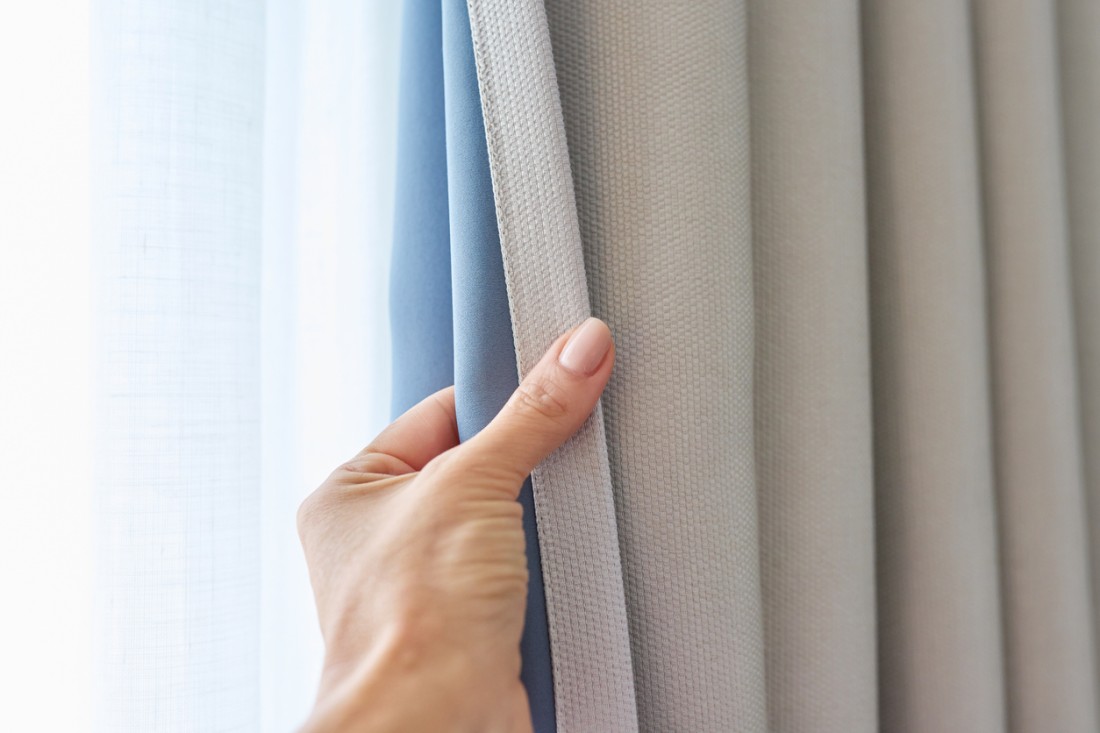
Tip: Close Curtains & Blinds Before Peak Sun Hits
Draw your curtains and lower your blinds on the sunniest windows before the heat of the day sets in, generally late morning through mid-afternoon. Waiting until a room already feels warm will just leave you playing catch-up.
Tip: Choose Truly Light-Blocking Options
A decorative curtain alone won’t do the trick. Look for coverings with a light-blocking or reflective liner, especially on windows that catch direct afternoon sun.
Get the Air Moving the Right Way
Here’s a fun fact you might not know: fans don’t actually lower the temperature in a room. They work by moving air across your skin, which helps sweat evaporate faster and can make a space feel several degrees cooler than the thermostat says. Sometimes, though, that’s plenty to keep you from cranking the AC up any further.
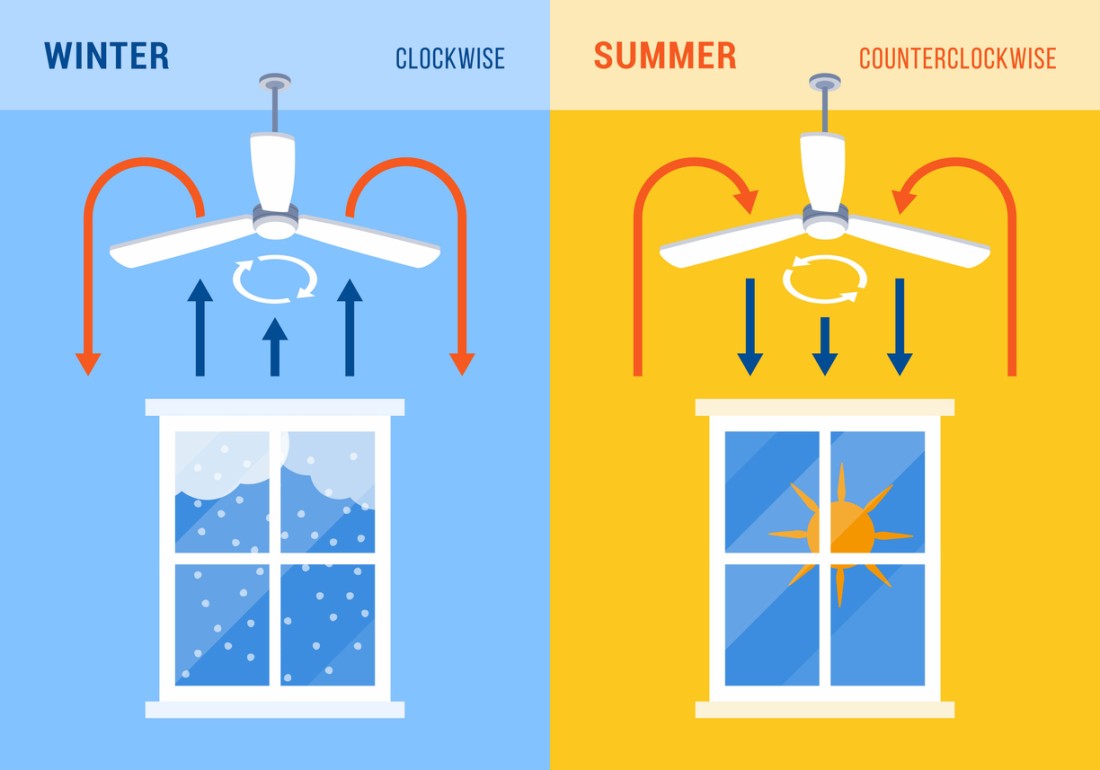
Tip: Set Your Ceiling Fan to Its Summer Direction
If you have a ceiling fan, stand under it and watch which way the blades turn. In summer, they should spin counterclockwise, which pushes air straight down. If they don’t, you should be able to locate a switch on the fan housing that changes the direction.
This one little move can be enough to raise your thermostat about four degrees without a drop in comfort. That means your air conditioner won’t have to work as hard to keep you cool.
Tip: Turn a Box Fan into an Exhaust Fan
Instead of pointing a box fan at yourself, set it in a window facing outward so it pulls hot air out of the room, then crack a window on the other side of the house to draw cooler air in. This cross-ventilation trick works especially well in the evening, once the outdoor air cools off a bit.
Swap in Fabrics That Breathe
With everything else going on in everyday life, it’s easy to forget about your sheets and throws, but they do make a big difference.
Tip: Bedding That Doesn’t Trap Heat
Trade heavy flannel or high-thread-count sateen sheets for something with a looser weave, like percale cotton. This type of cotton bedding is widely available at almost any price point, and its crisp, tighter weave lets heat escape instead of trapping it against your skin overnight. If you want to upgrade down the road, linen breathes even better, but it comes with a higher price tag.
Tip: Don’t Forget the Seating Arrangements
That cozy wool throw on your couch or velvet slipcover on your recliner that felt great in January won’t feel so great in July. Pack it away for a few months, swap in a light cotton throw, and let more air move where you actually sit.
Everyday Habits That Save on Cooling Costs
You don’t have to change your life to make summer living a little easier on your wallet. Here are a few small changes that can make a big difference on your monthly bill.
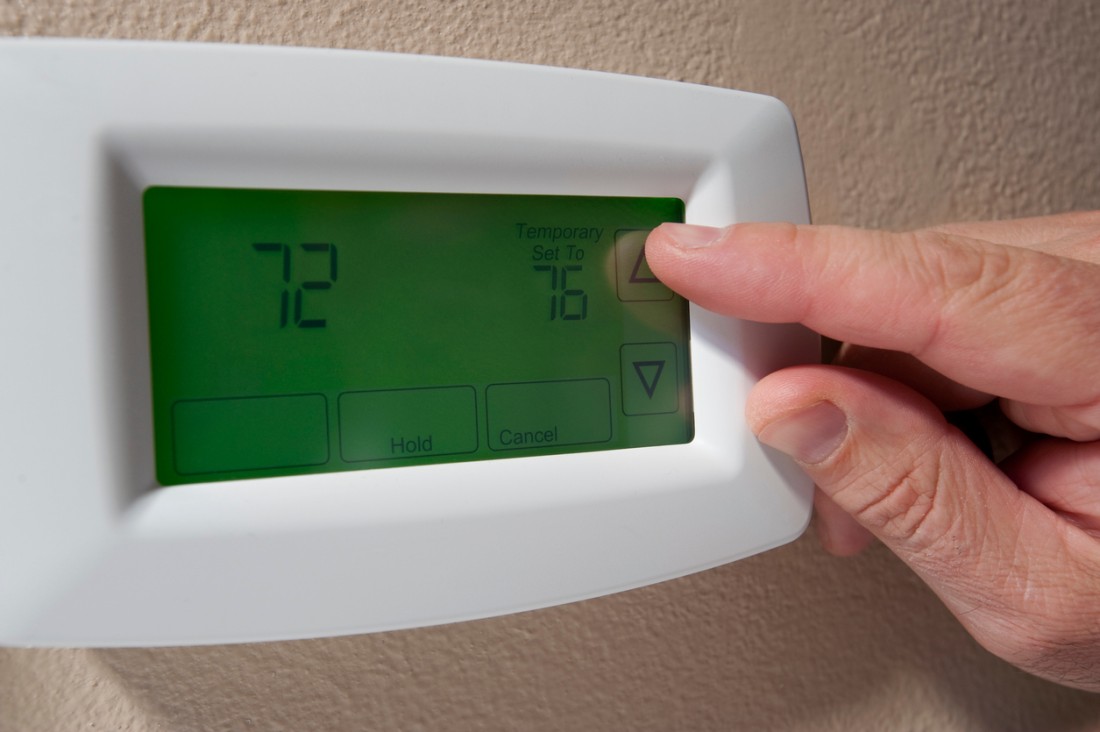
Let Your Thermostat and Fans Work Smarter, Not Harder
If you’re going to be out of the house for a while, turn up the thermostat before you head out the door. Setting the temperature 7 to 10 degrees higher than your baseline for 8 hours a day (like while you’re out at work) can save you up to 10% a year on cooling and heating costs.
And since we’ve already established that fans don’t cool rooms, get in the habit of switching yours off on your way out. A fan left running in an empty room does nothing but add to your power bill.
Move Heat-Producing Tasks to Cooler Hours
Running the oven, dishwasher, or dryer during the hottest part of the day adds heat that your AC then has to work harder to offset. And, you guessed it, an AC that works harder costs more to run. Take care of those tasks in the early morning or after sunset whenever you can and try leaning on a slow cooker or a no-cook dinner when the forecast calls for a scorcher.
Summer Doesn’t Have to Scorch Your Wallet
None of the changes we’ve talked about requires new equipment or a weekend project. Paying just a little more attention to when your windows are open, which way your fan spins, and when you’re using energy can go a long way. Put a few of these changes into practice, and the hottest stretch of summer can feel a lot more livable.
Try one change this week and see how much lighter your energy bill feels by the end of the month!
Still Looking for the Right Place to Call Home?
A cooler, more comfortable house is only part of the equation. The right neighborhood matters, too. If you're still weighing your options, Bayshore manufactured home communities are worth a visit. Take a look at what's available near you!
 RHP Social community events are designed to encourage our residents to socialize with their fellow community members through fun, family-friendly BBQs, holiday parties, and more! If you’ve found a community that suits your needs, contact our team today and let’s get started on the application process.